


Client Catches – The ‘Use’ of Chartreuse
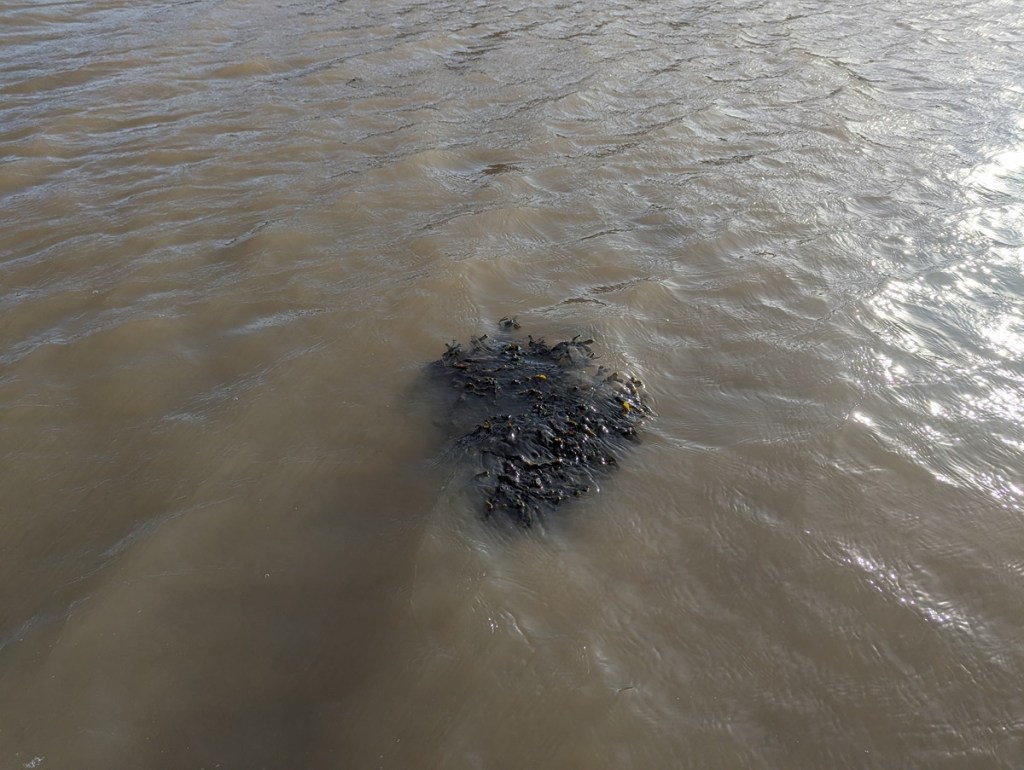
Lure fishing for bass in water that is extremely murky, chocolate or coffee-like, in the sense that it has absolutely zero clarity to it has sent many a bass lure angler stomping back to their car without even wetting their braid I would imagine…?
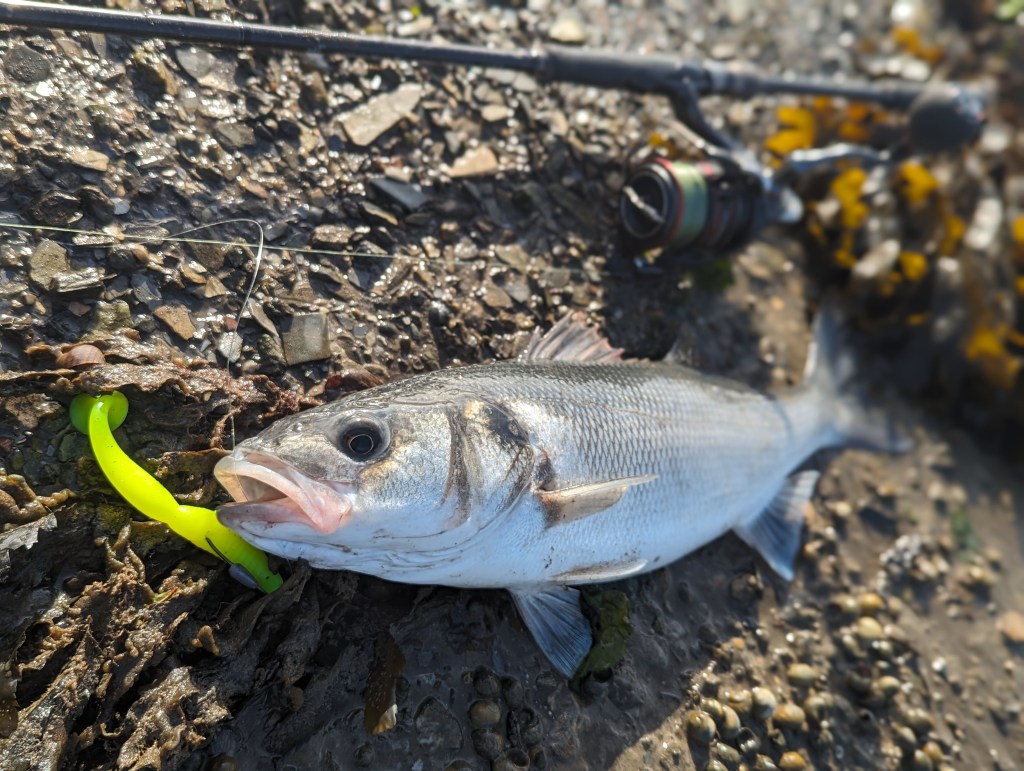
I can picture the predicament – especially at this stage of the year when things a less predicable. You live a couple of hours from the sea, and have looked forward to your weekend session all week – you may have even booked a day off work in advance perhaps. You’ve changed your hooks on your hard lures in anticipation of a real read-letter day, and have plucked all of the new soft plastic lures from their packets, before lovingly placing them into a brand-new lure box.

So after either driving a very long way, and then potentially trekking a good distance to your chosen location (or both), you find the overnight rainfall and subsequent run off, or indeed the forecast wind direction and strength is inaccurate turning your mark into a mud bath… It is extremely disheartening, and I know, because I’ve been there – numerous times. However, nowadays, I just refuse to let it stop me or us from catching to the extant that I have, over time, effort and experience, learnt to embrace such circumstances.

River meets the sea
Now, in this post what you’re going to see and read about are a number of very decent bass that have been extracted from estuarine and brackish environments by my clients, rather than the open coastal settings that I also routinely frequent within my guiding and personal endeavours. If you enjoy this one, or it piques your interest, then I would recommend that you have a read of my previous posts that I’ve written on the subject also – see below:
- Murky Madness
- The Art of Watercraft
- How Murky is Murky?
- Murky Moments
- Sense or Sight (Daylight)
- Sense or Sight (Darkness)
Although it isn’t always the case, when you’re talking about ‘brown or coloured water’ whilst fishing from the rocks, a reef, or from a shingle or sandy beach then, in general, the sea would have been or still is fairly or very tumultuous, whereas the dirty water shifting around within a tidal, inland creek or lagoon, whist utterly opaque, could actually resemble an ice rink or a millpond. Conversely, there are occasions when tidal conditions (powerful currents) or a wicked wind blowing can stir the water running over a mudbank to make things exceedingly turbid when, ordinarily, that area may hold clear water for a good percentage of the time.
Approach
So I’ve covered the scenario(s) then, but what about our overall approach? What tactics, techniques, and methods have we employed to circumnavigate what are, historically, difficult situations in which to lure a bass…? There are ways and means, but I’ll be honest and say that I reveal everything in relation to all of the knowledge that I’ve accumulated in this respect within ‘Bass Lure Fishing – A Guide’s Perspective Volume 2‘ therefore, I’d be foolish to write everything here wouldn’t I?

That said, let’s just say that having an innate appreciation and understanding of the habitual movements of bass within very, very specific locations has undoubtedly aided our levels of success. For example, if they’re consistently ‘there’ for reasons known to them on a certain state or phase of the tide, then within quiet estuarine settings especially, it doesn’t tend to matter whether the Sun is high and bright, the water is gin-clear, or if it’s peeing it down and the water clarity is seemingly too rotten to run a lure through… If they’re ‘at home’ I want to find a way of catching them – pure and simple.

The Lures
In conjunction with the winning tactics I have established and written about extensively within my third publication is the type/pattern and colour of soft plastic lure that we’ve extracted some wonderful bass on – the details of which I am able to reveal! Lemons, Limes and in particular, those Chartreuse colours have proven effective time and time again over all of the colours I/we have utilised. Furthermore, when you add a ‘paddle tail’ for additional vibration into equation then, in my experience, you may have just increased your chances of luring a ‘brown water bass’ by an appreciable, if not a substantial amount.

I do have my ‘Go-To’ lures, with the Sunslicker Swimish in Lemon Meringue (above) being a staple in my ‘Autumn soft plastic armoury’ (I nearly wrote late-season however, I would say that October/November is ‘peak season’ here in south Devon which is when all of the bass in this post were landed) due to their sheer ‘presence’ in the water.
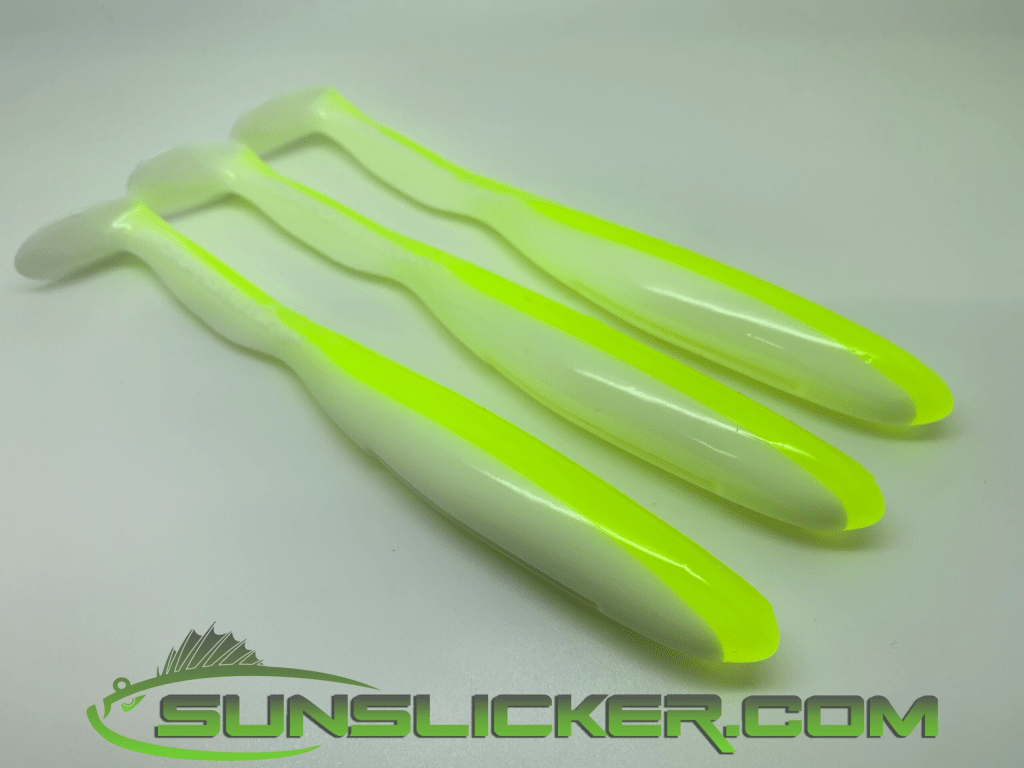
Weighing in at a fairly hefty 13g, when the current/tide is vicious and I need to keep something rumbling sporadically along the seabed, the Swimish is one of the few lures out there that have a body density durable enough to withstand being skewered onto a 7/0, 7g or even 10g belly weighted weedless hook, in addition to being able to cope with a considerable number of hook ups.
Lemon Backs
A solid chartreuse lure is enough to burn our eyeballs, but alongside solid white (the jury is still out on solid black for me) I currently have a great deal of confidence in this colouration. Furthermore, I really like a ‘Two-Tone’ pattern, with the Lemon Back variants of the Savage Gear Gravity Sticks in the Paddle Tail guise (here) being another firm favourite of mine.

I have no doubt that the ‘whole-body-wriggling’ virtues of the SG Gravity Stick Paddle Tail have as much to do with their appeal to a bass as the bright lemon top-side to this version of what is an already brilliant lure. But either way, when the water is grubby, I will be rummaging through my dry bag looking for the Savage Gear Hi-Viz packs (here), of which I have many thankfully!

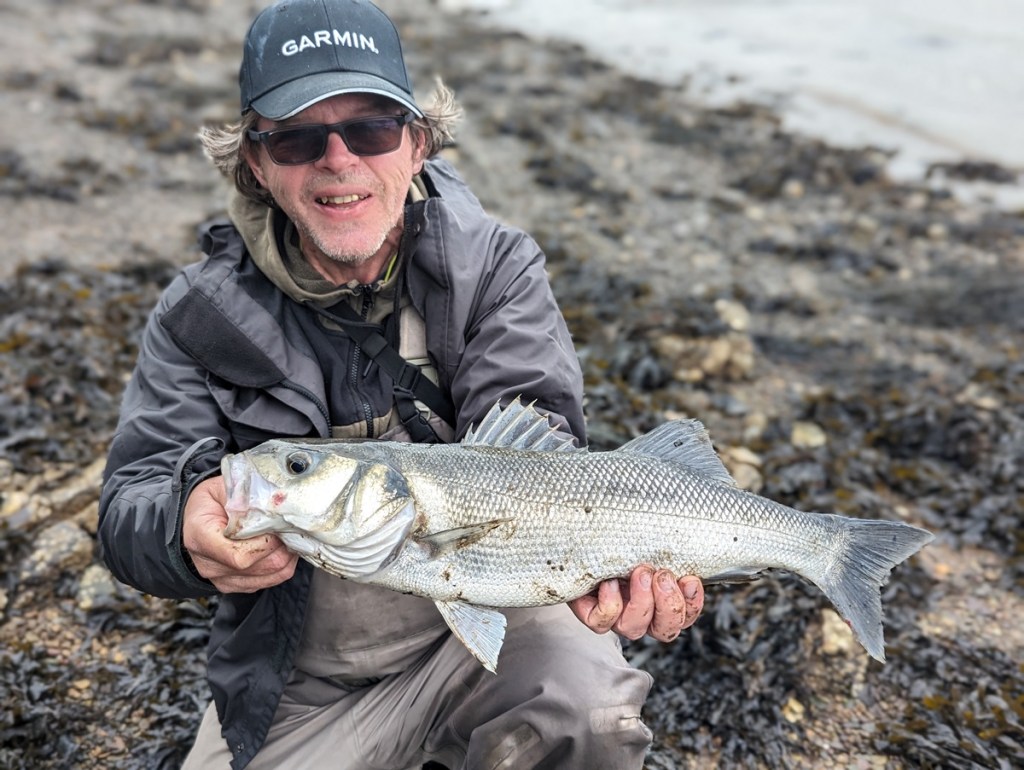
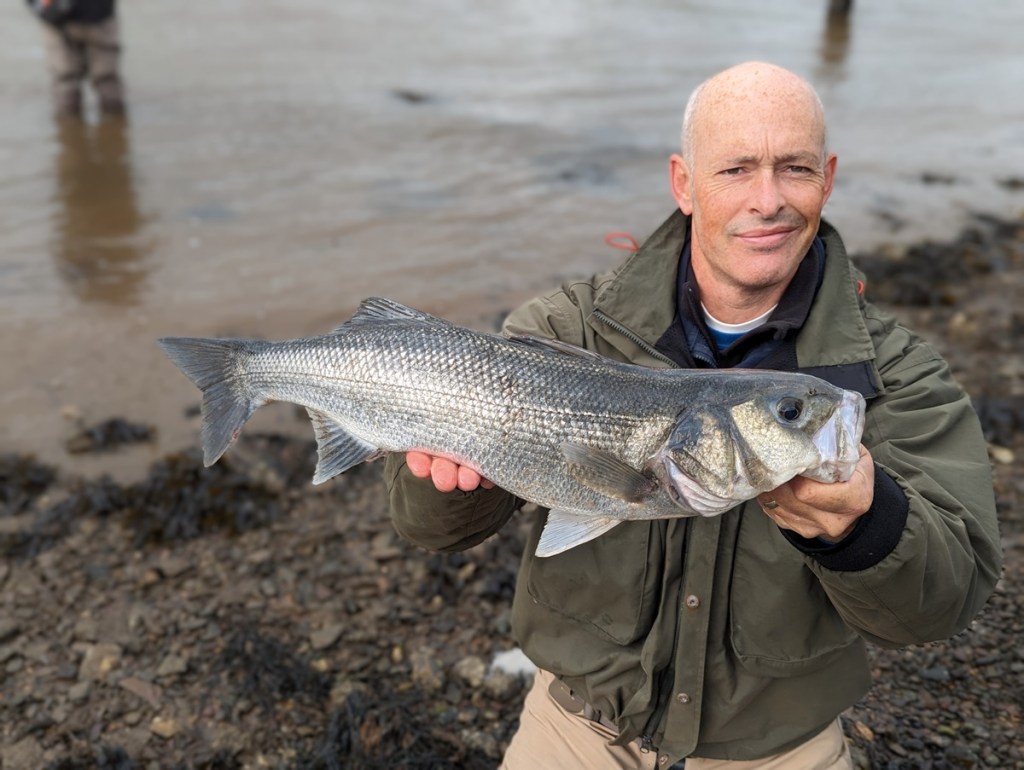
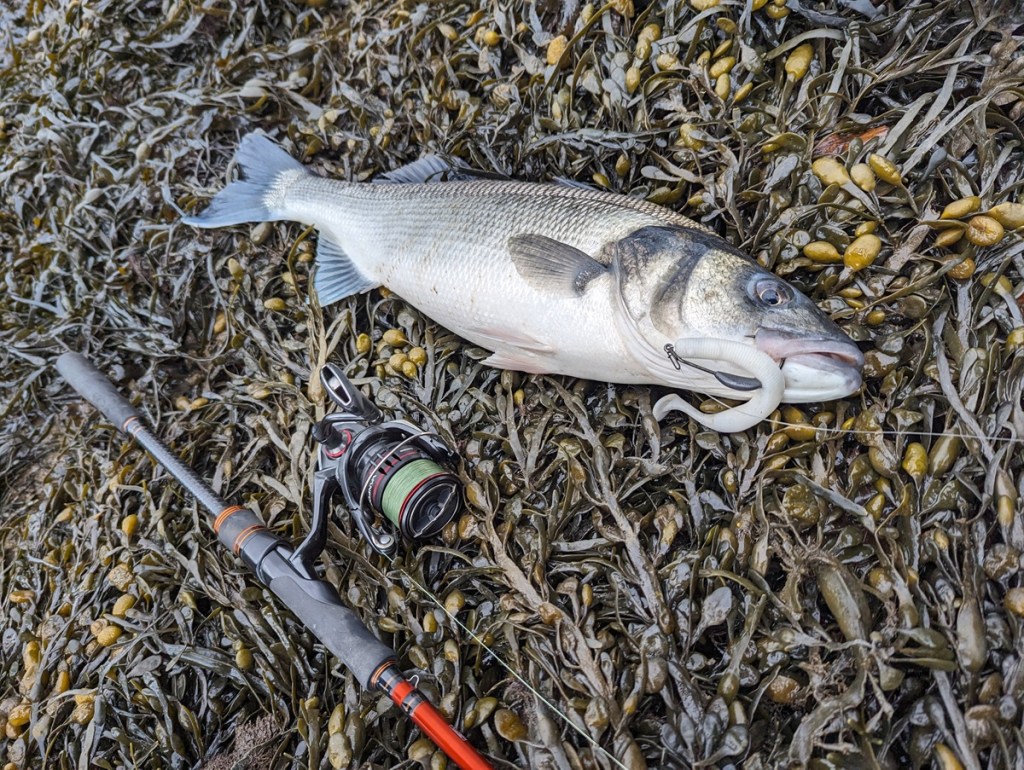
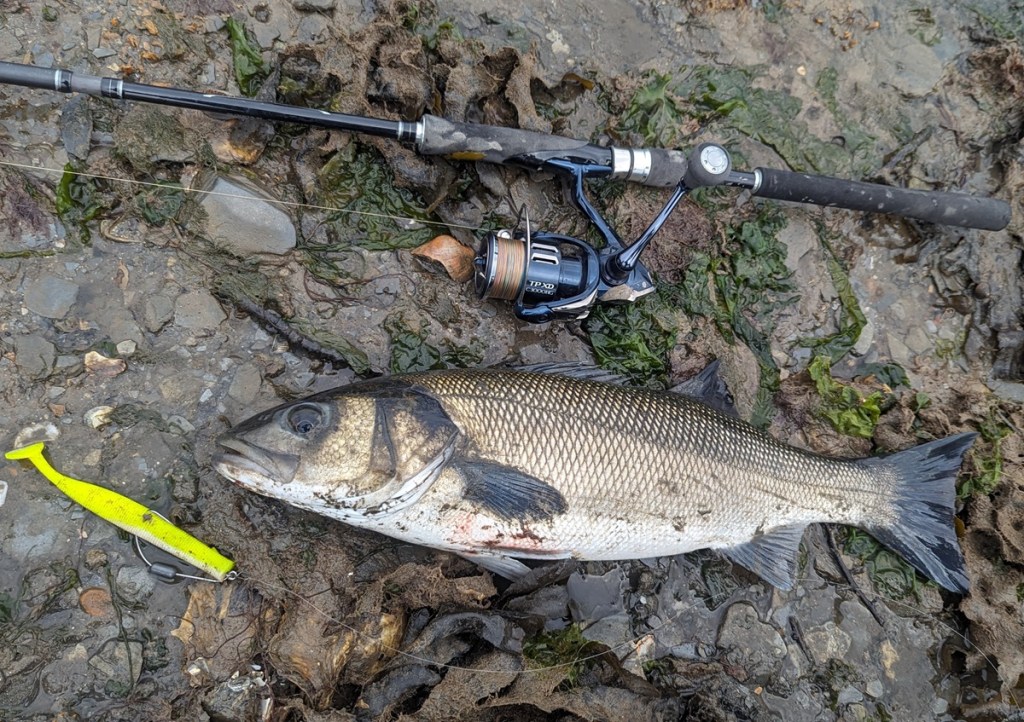
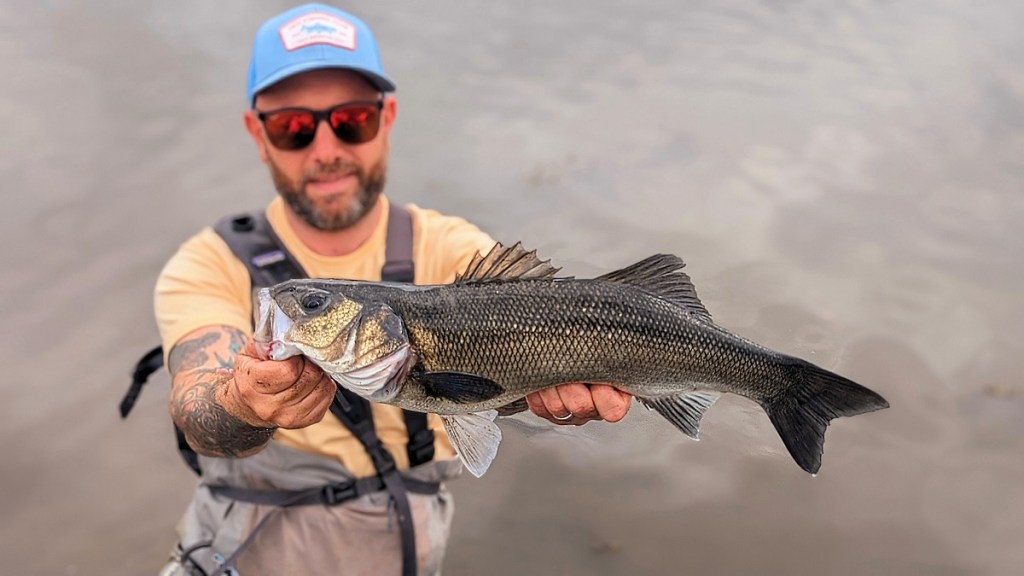
I could talk all day about how highly I rate and regard the Gravity Sticks (I’m sure you’re fed with reading about them too I suspect) so instead, I have enclosed a gallery below of some more of the catches that we’ve achieved on either the Solid White, Sight Flash/Sight Special version, or those lovely Lemon Back patterns.




A slice of Lime
Now for something a little different. You may be able to recognise the lure below as a Sawamura One-Up Shad in the ridiculously named Tree Frog colour (here) as it accounted for a splendid 68cm bass for one of favourite clients (Ash) in the blog post from a couple of years ago here.

I really like a Lime colouration to a lure for use within those cruddy creeks, and I love the swimming action to these lures in particular – the bass are seemingly pretty keen on them too! The huge bass below is one of mine, however, I won’t spoil things too much except to say that I’ll be writing about my personal catches from 2023 over the New Year and into the dark depths of winter (although I fully expect to still be out n’ about fishing and catching!). But yes, that is a Tree Frog Sawamura One-Up Shad in the inside the gob of my season’s joint best at 70cm. Moreover, I lost this very lure just recently when I was snapped off by what I think was an utter behemoth of a bass… Urrrgghhhh….
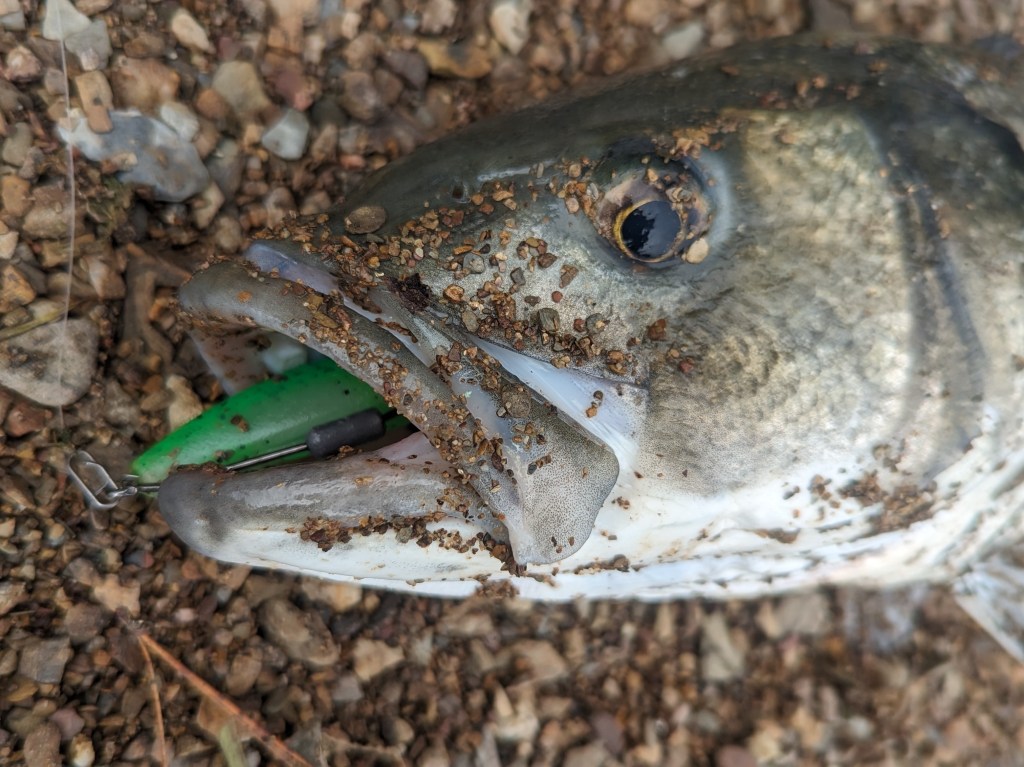
Do bass see the same colours as us? God only knows! What I do know is that when I run a White, Lemon or Lime lure through the kind of turbid, chocolate, muddy, tea or coffee-like water in which my clients and I have consistently extracted bass over the past three seasons, they introduce an increased level of confidence to a session that may have been fishless up until that point.
Indeed, even if I have been fishing or guiding within clearer water earlier in the same session, but then it ‘murks up’ (which can happen for a number of reasons, but ordinarily, is due to the fierceness of the tide, wind or both interacting with a muddy foreshore) then very often, it is the more ‘lurid lure’ shall we say, particularly a paddle tail as I’ve mentioned, that will win the day in water that I know a lot of bass lure anglers aren’t overly keen to throw a lure into…

Other colours…
To conclude, I’ve briefly mentioned a black lure and my reluctance at this stage to use them regularly in the conditions covered, but surely, the profile is an undoubted contributor and an attractant? I know Pike anglers swear by them, so I’ll definitely stick at it. What I have ascertained, is that the silhouetted attribute to a dark or black lure has proven to be extremely productive when utilised under twilight conditions or under a brilliant or Full-Moon. Indeed, I’ve had a lot of fun under the moonlight with a black Wave Worm Bamboo Stick just recently, as you may seen on Facebook or noticed from my updated ‘My Catches 2023 Gallery here).
But what about Pink you may ask? Well, I know they do work because I’ve seen the photographs of bass caught on pink paddle tail lures from silted up or brown seas. But in all honesty, as I write this post I cannot say that, despite pressing them into action within my personal and guided sessions on occasion, that I/we have caught a bass with a ‘Pinky’ yet – a head-scratcher that one and I will persist, as I will with oranges, yellows, and shades of blue perhaps. You’ve got to keep on learning, experimenting and experiencing with these mesmerising fish!
Thanks for reading.
Marc Cowling

 South Devon Bass Guide Ltd